Should I Fill In Gopher Holes, and How?
By Gopher Champs ·
Yes, fill and level gopher holes after the activity has been addressed and any traps have been removed, but filling holes alone will not get rid of an active gopher.
A gopher lives in tunnels below the surface. Covering a mound or a hole changes what you see on top, but the animal and its burrow system are still there. If you fill holes while a gopher is active, new soil may appear again, and you lose the clues that show where it is working.
Leveling a mound vs. repairing a dip
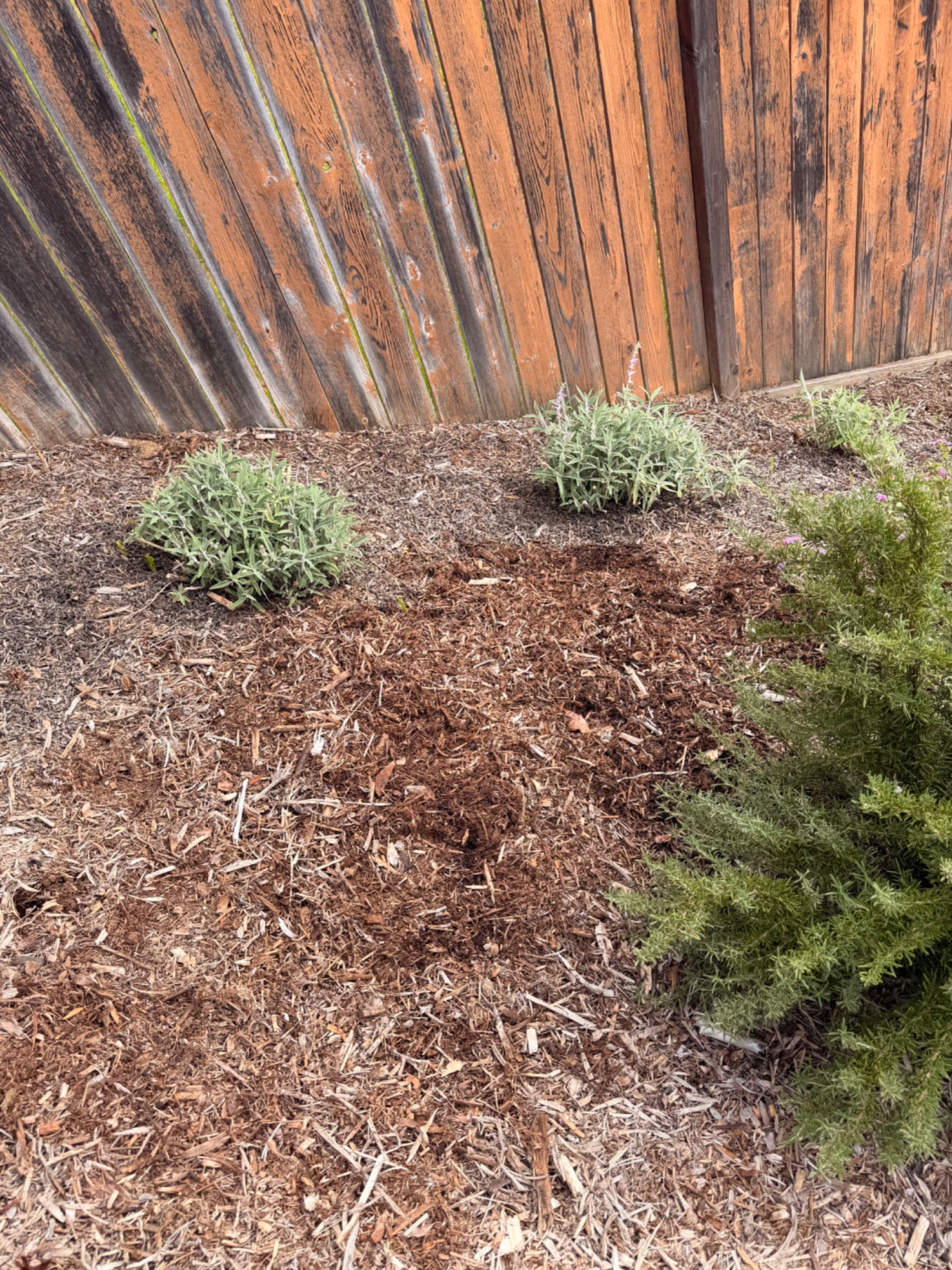
These are two different jobs. A surface mound is loose soil the gopher pushed up. Leveling it means raking that soil back out so the ground is flat again. A shallow depression is a spot where the ground has sunk a little, often over an old tunnel. Repairing it means adding soil to bring the surface back up.
Neither job fills the tunnels underground. Soil you add at the top will not reach every empty space below, so a repaired spot can settle again later. Settling alone does not establish that a new gopher is present.
Step by step: how to fill gopher holes
- Photograph and locate fresh disturbance first. Before cleanup, take a wide photo and a close photo of each fresh mound or hole. This record helps you and your technician see whether activity has stopped or moved.
- Leave traps and flags alone. Do not bury, move or pull out traps or marker flags. If service is in progress, ask your technician when it is safe to start repairs.
- Rake mounds flat. Spread the loose soil back over the area so the surface is level.
- Fill small, shallow holes in thin layers. Use clean soil that suits your lawn or bed. Add a little at a time and firm each layer gently with your foot or the back of a rake until it sits level with the ground around it.
- Restore the surface. Reseed or patch turf, or replace mulch, as fits the area.
- Watch for new mounds. Check the area over the following weeks. If fresh soil appears, note where it is and send us the location and a photo.
If a spot keeps sinking, a large area has collapsed, or sprinkler lines look damaged, stop covering it over. Have the area assessed, and contact a qualified landscaper or irrigation professional for the repair. Repeated filling can hide a problem without fixing it.
What UC IPM says about leveling mounds
UC Integrated Pest Management (UC IPM) recommends leveling existing mounds after control, so that any new mounds are easy to spot during follow-up. It also notes that gophers usually plug their openings, so a mound is not always an open hole. UC IPM notes that gophers can withstand normal garden irrigation. Filling a shallow depression is a surface repair, not a pest-control treatment.
We clear the mounds so we can track progress
When Gopher Champs services your property, we knock down the existing gopher mounds and level out the disturbed soil. That gives us a clean starting point to monitor activity. Fresh mounds are easier to spot, helping us verify how well the service is working and quickly see whether we need to come back out.
Not sure the holes are from a gopher? Compare the signs in our gopher identification guide.
When to call Gopher Champs
Call if fresh mounds keep appearing or you are unsure whether the activity is still going on. Gopher Champs offers residential gopher control with a poison-free trap system that can deliver results in as little as 2 days. Timing varies by property and activity. Residential trapping comes with a 60-day warranty, subject to its terms; read how our 60-day warranty works. Call (951) 330-7399 to get a free quote.
Source: UC IPM: Pocket Gophers (updated June 2025).
Get a Free Quote
California DPR Business License #45541.