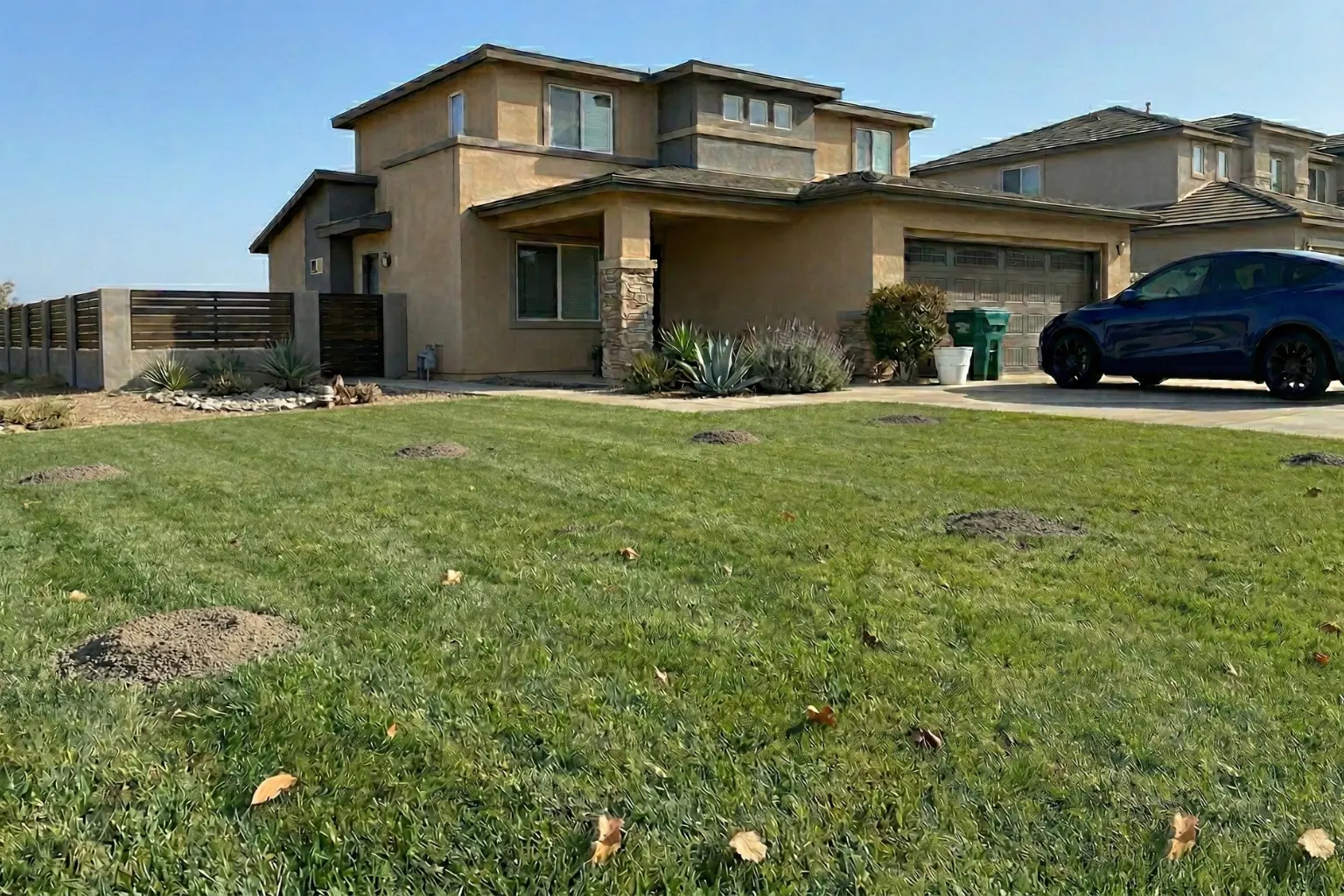
When Is Gopher Season? Best Time for Removal in Southern California
Unlike colder regions where gophers hibernate or slow down in winter, Southern California's mild climate means gophers stay active all 12 months. But there are clear seasonal peaks, and knowing them helps you act before the damage gets expensive.
Gopher Activity by Season in the Inland Empire
🌸 Spring (March–May): Peak Breeding Season
Spring is the busiest time for gophers. Breeding begins in late February, and females produce litters of 5–6 pups by March or April. Young gophers disperse and establish new tunnel systems, which is why you may suddenly see 3–4 new mounds appear overnight. This is the single best time to call a professional. Learn the 5 signs you have a gopher problem →
☀️ Summer (June–August): Active but Deeper
As surface soil dries out and temperatures climb past 100°F in cities like Hemet and Menifee, gophers push their tunnels deeper to stay cool and find moisture. Surface mounding may slow slightly, but underground damage to irrigation lines and tree roots accelerates. Homeowners often mistake this quiet period for the gophers "leaving", they haven't.
🍂 Fall (September–November): Second Activity Surge
As temperatures cool and fall rains soften the soil, gophers return to shallower tunnels and resume aggressive mounding. In some parts of the Inland Empire, a second breeding cycle occurs. This fall surge is especially noticeable in Temecula, Murrieta, and Winchester where decomposed granite and alluvial soils soften quickly after rain.
❄️ Winter (December–February): Still Active
Southern California winters rarely get cold enough to slow gophers. In Lake Elsinore, Wildomar, and French Valley, moist winter soil makes digging easy. Gophers continue feeding on roots and bulbs throughout the season. If you notice mounds in December or January, don't wait until spring, the problem will only multiply.
Why Inland Empire Soil Keeps Gophers Active Year-Round
Soil type directly affects gopher behavior. According to the UC Davis Integrated Pest Management Program, gophers prefer loose, sandy soils that are easy to dig, exactly what dominates the Inland Empire:
- Decomposed granite in Temecula and Murrieta wine country
- Sandy loam near Lake Elsinore and the Ortega foothills
- Dry alluvial soil in Menifee, Hemet, Winchester, and French Valley's new developments
These soil types stay workable even in summer heat, which is why the Inland Empire sees more year-round gopher activity than coastal or mountain regions. The USDA Wildlife Services notes that pocket gophers in favorable soil conditions can excavate over 2,000 pounds of soil per year.
Why Waiting Makes Gopher Removal Harder (and More Expensive)
A single breeding female can produce 3 litters per year in Southern California's climate. By summer, one gopher can become six. By fall, those six become twenty. Every week you wait:
- Tunnel networks expand, requiring more trap placements
- Irrigation damage worsens, repair costs can exceed $1,000
- Lawn recovery takes longer and costs more
- Neighboring properties become infested
Acting at the first sign of mounding is the most cost-effective approach. Read our guide on how to protect your lawn before gophers strike for proactive steps you can take today.
The Best Time to Call a Gopher Trapper
The short answer: as soon as you see the first mound. But if you're planning ahead, here's what we recommend:
- Spring (March–April), catch them before pups disperse
- Early fall (September), stop the second breeding cycle
- After rain, soft soil means shallower tunnels, making trapping faster and more effective
Same-day or next-day appointments are often available across our service area. Check local details for Menifee, Murrieta, or Lake Elsinore, or review our residential gopher control process.
Don't Wait for Gopher Season to End. It Won't
In Southern California, every month is gopher season. Call today for same-day service backed by our 60-day warranty.